Soft Yes Games – Self Employed Placement

What Was soft yes games
Soft Yes Games was a company that me and some friends created for as our placement year. So instead of spending a year at am already established company we made our own. The goal of this was to create a good project for our portfolio showing a project from start to finish with the intention of carrying on with the company after university.
Tiny Mouse Trap
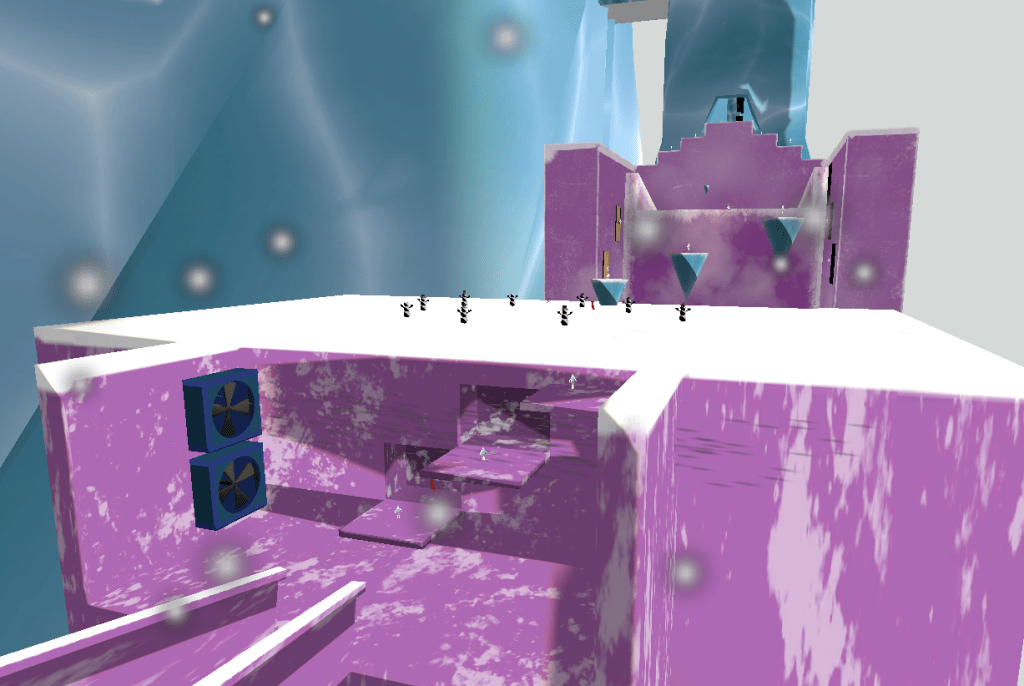
The game that was made was a 3D platformer inspired by Honey I shrunk the Kids and The Burrowers. Each hub area was a different room in a house with the player starting in the garden which acted as the tutorial level. Each level in a hub was based on one of the objects in the room, so there is a level based on the fridge which was really cold and on a frozen mountain.
Short walkthrough the game.
The Game
The story of the game was that the player was looking for a new place to live and they managed to get into this house. But they needed to make the house a home by going into different rooms and levels and collecting furniture for them so they could live without worry.
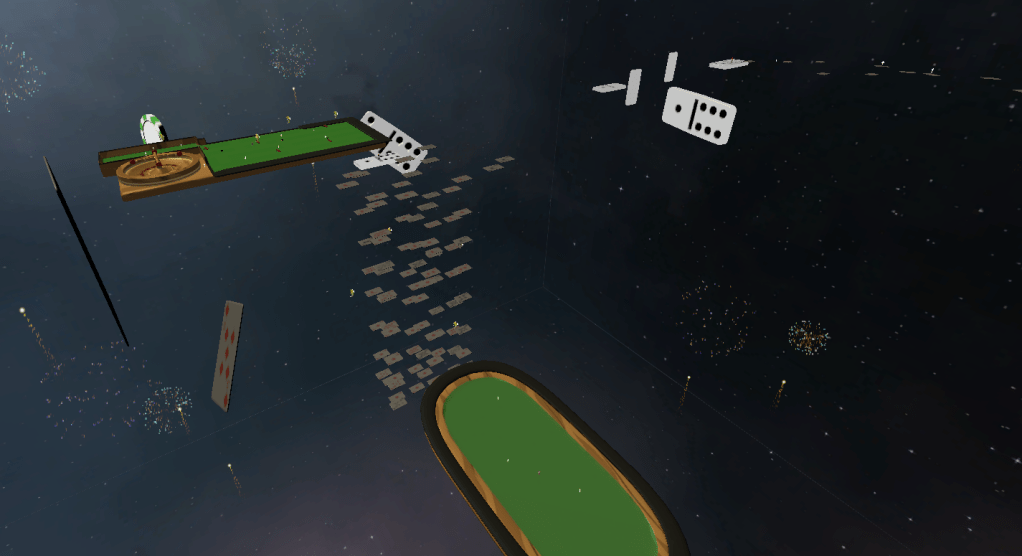
The plan for the game was to have a hub level and in there would be portals to the levels based on objects in that room. For example the portal by the fridge would transport the player to frozen mountain that the player would have to climb. At the end of a level would be an object that the player needed to collect for their house.
The player would start outside and would have to figure out how to get inside of the house.
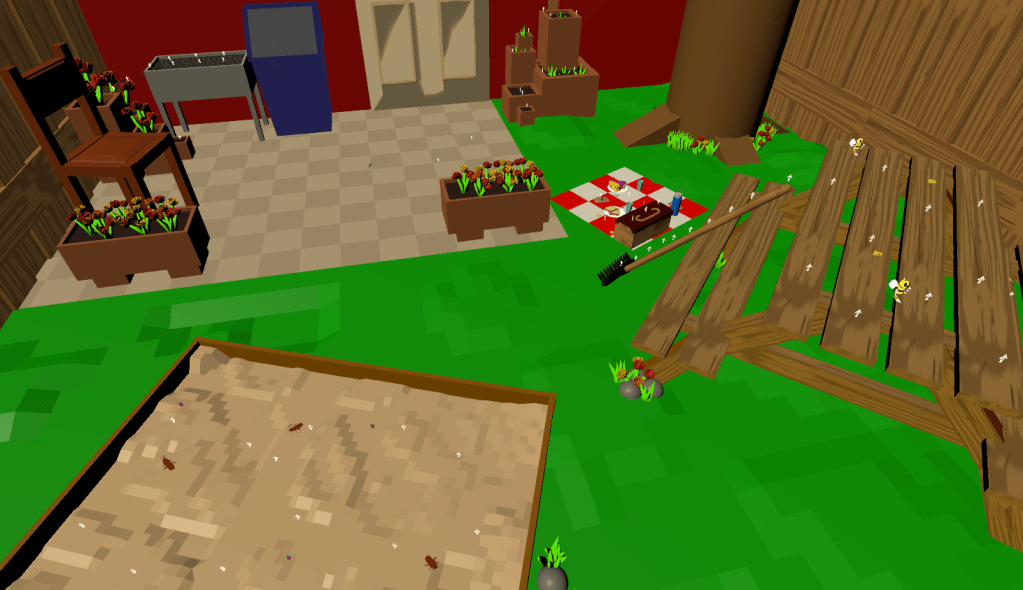
When they player had completed all of the levels they would need to beat the boss of that room to unlock the next room.
The different rooms that the player needed to go included:
- The kitchen
- Bathroom
- Livingroom
- A bedroom
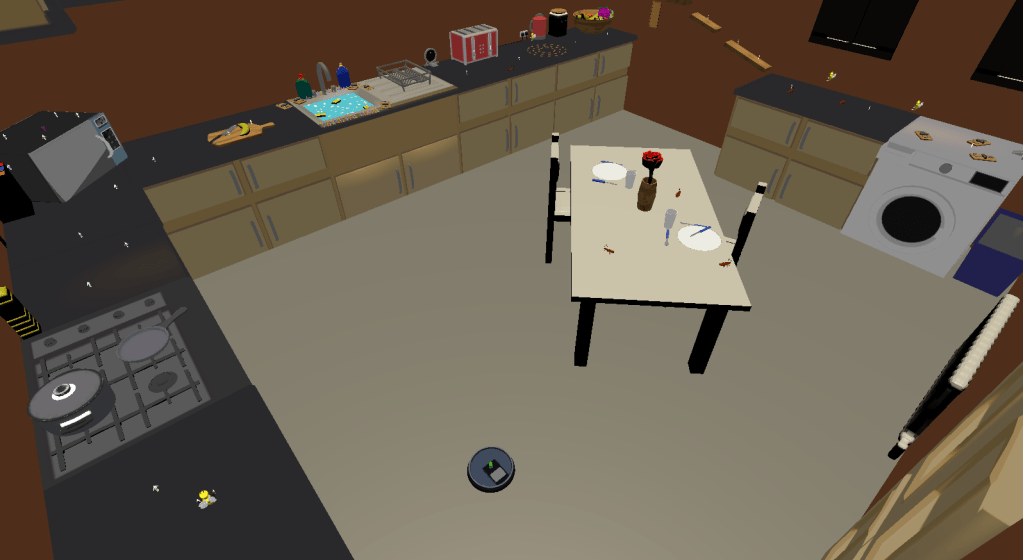
The boss for the kitchen was currently a Roomba and the player had to get the Roomba to chase them and get it to bump into something so a button would appear and they had to jump on it three times to defeat it.
In one of the levels the player would unlock a piece of equipment that would allow them to travers new areas of that hub.
The pieces of equipment were:
- A matchstick that is a torch
- Pins that are climbing gear
- A slingshot
- A stopwatch that could slow down time
My Role
My role in the company started off as just the programmer. This involved me planning and creating all the code and systems that are used as well as being the person that put all the objects in Unity and created the levels based on the design documents that were made.
This included coding all of the:
- AI
- UI
- Gameplay
- Player and camera controls
- Saving and loading data
- Bug fixing
At one point during the placement year some people left and so I took over their responsibilities which included:
- Managing the production
- Creating the audio
- Designing the game
- Creating the levels in engine
What I learned
Since we spent nearly an entire year working on one project, it was a great learning experience. One of them being I got a lot better since I was spending nearly every day in Unity, and I improved my proficiency when it came to using this engine. This was also a great opportunity to make a game from starting with an idea to a finished game that could be sold. It never got to that final stage, but the lessons learned helped with future projects since I have released one game since then and I am able to see the bigger picture. I can see what steps need to be taken first and how choices made early on could affect the project later down the line.
Working on a project for so long also helped us understand how the different parts of game development we had learned from our course all comes together. However, since our course was splint into the art, design and programming pathways, there were not many opportunities at university for them all to come together so we had to work together to figure out how we were going to do it to make a working game.
It also helped with coming up with ways to prevent burn out as much as possible, one of the things that worked well was just breaking down each task to smaller bites and making sure that everyone could see the progress of the project and how their tasks are contributing to the project.
All of the lesson learned, they helped when it came to anything that I worked on after the self employment year and I don’t think there was a better way to learn all of these lesson together with the experience gained from that year.

